About Artist
In the 1970s, Wim Wenders became one of the pioneers of the new German film, an international leader, and was regarded as one of the most important figures in contemporary German film. In addition to his many award-winning works as a screenwriter, director, producer, photographer and writer includes a number of innovative documentaries, international photography exhibitions and numerous monographs, film books and prose collections.
Paris, Texas
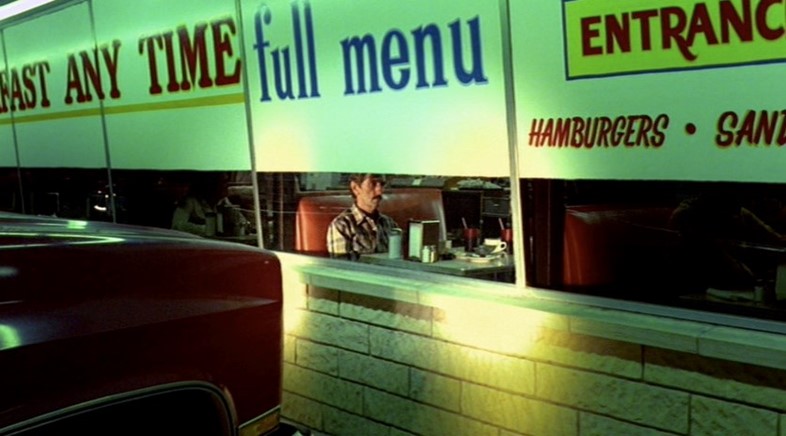
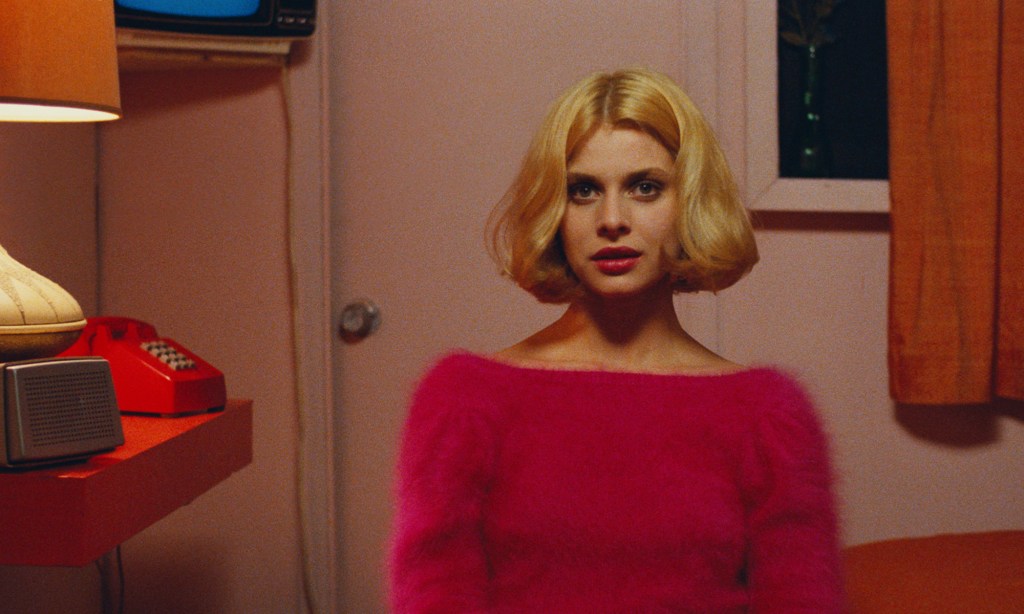
In the movie Paris, Texas 1984, Wenders used lots of long shots explained the bravo of Polaroid’s short-lived instant photography form as a tribute letter, which captured the intimate moment behind the filming and the most typical American scene of life.
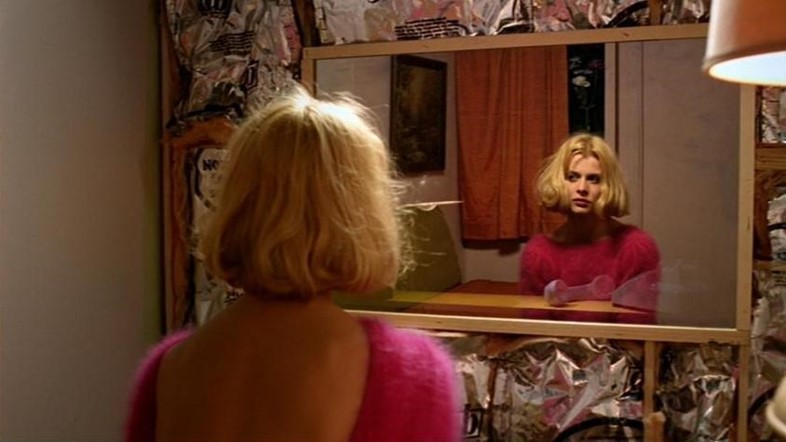
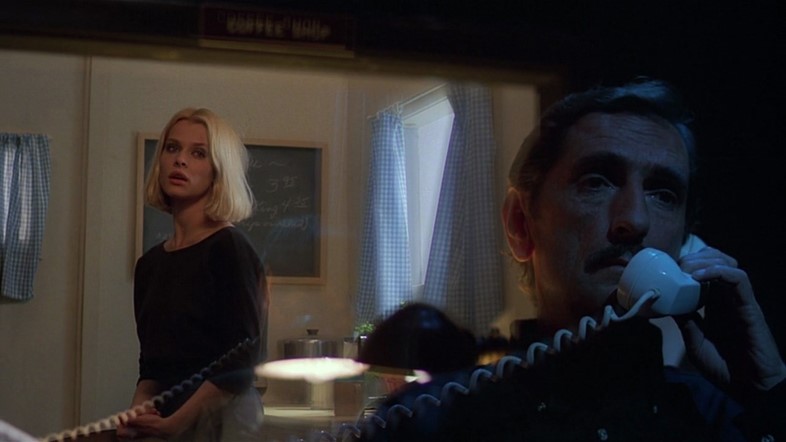
Accompanied by Ry Cooder’s exceptionally melancholic slide-guitar (based on Blind Willie Johnson’s Dark Was the Night, Cold Was the Ground), the film’s delicate yet powerful soundtrack is a key feature within the film – in fact, Wenders once said that the film was shot with a camera and a guitar, describing Cooder’s work as “sacred music”. Plucked notes reverberate into the landscape; pieces swell with emotion; Harry Dean Stanton himself sings mournfully in Spanish. It is cinematic score at its absolute finest.[1]
Alice in the Cities
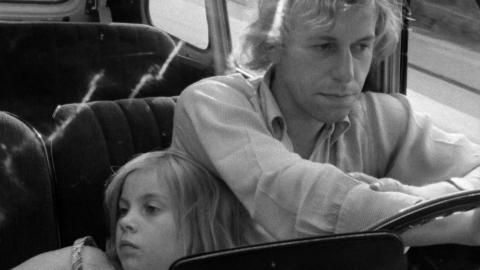
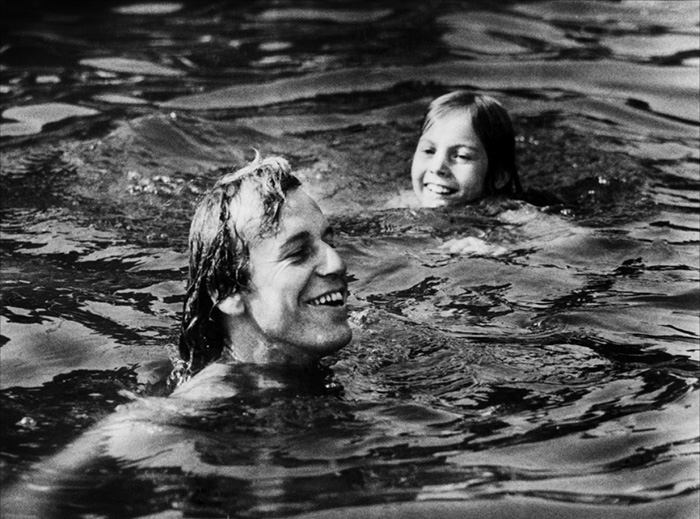
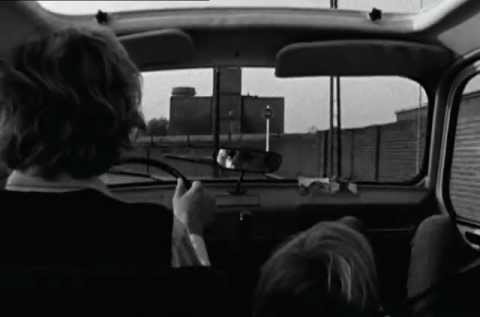
A recurring motif in Alice in the cities is the pervasiveness of “screens”. Wherever Philip goes in the United States, he carries his camera, attempting to use it as a tool to translate and explain the foreign landscape he traverses. The photos, however, offer no illumination: “they never show what it is you saw”. Even a supposedly unfiltered screen, a pair of binoculars at the top of the Empire State Building, only gives him the opportunity to look helplessly at a major narrative event that he has no control over: the departure of Alice’s mother. Like the narrow dimensions of an aeroplane window, this is an act of mediated observation; one in which the viewer is only permitted to see within specified limitations. That Wenders sees this kind of mediation – epitomised by the medium of television – as a loss of agency (and thus a tool for manipulation) is clear: “The inhuman thing about American TV is not so much that they hack everything up with commercials – though that’s bad enough – it’s that, in the end, all programs become commercials; commercials for the status quo”. [2][3]
Reflective Note
The use of Polaroid filming way is undoubtedly one of the success factors of Paris, Texas, the colour effect of the film be presented to the tragic way that gives the drama a highly push. At the meanwhile, Wenders help me to review the significant sign as a messenger between images and reality that using kind of detail materials from life and bring it to the fullest basket above life.
[1] Another 2015, Lessons We Can Learn from Paris, Texas, Olivia Singer, viewed 16 April 2020, <https://www.anothermag.com/fashion-beauty/7771/lessons-we-can-learn-from-paris-texas>.
[2] Gerd Gemünden, “Oedi-pal Travels: Gender in the Cinema of Wim Wenders”, The Cinema of Wim Wenders: Image, Narrative and the Postmodern Condition, ed. Roger F. Cook and Gemünden, Wayne State University Press, Detroit, 1997, pp. 213-214.
[3] Senses of Cinema 2014, The End is a Transition: Wim Wenders’ Alice in den Städten, David Heslin, viewed 16 April 2020, <https://www.anothermag.com/fashion-beauty/7771/lessons-we-can-learn-from-paris-texas>.
 The Images Collection